

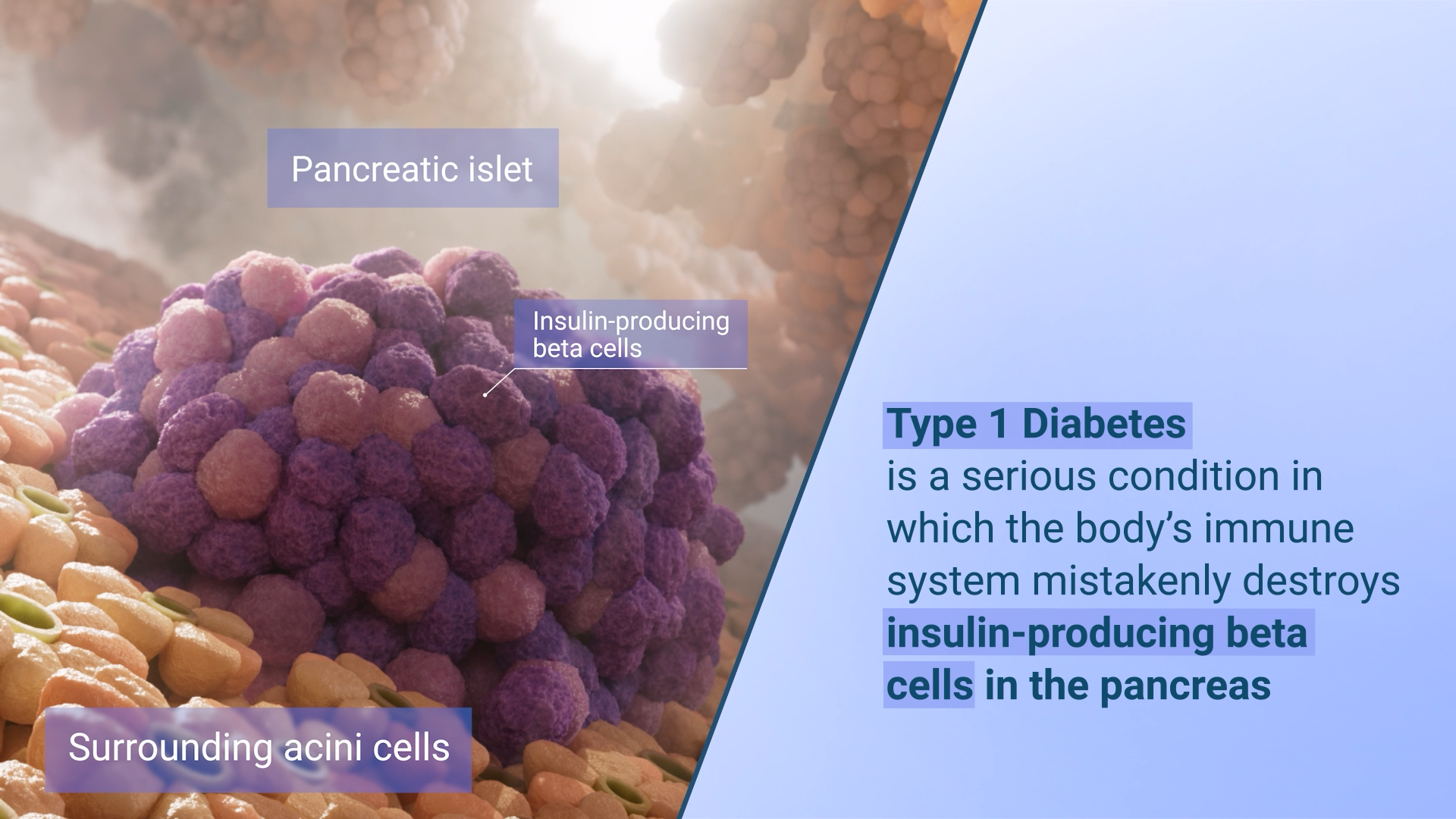
New animation explains the science behind a leading theory on what triggers type 1 diabetes, and the prevention strategies now being tested.
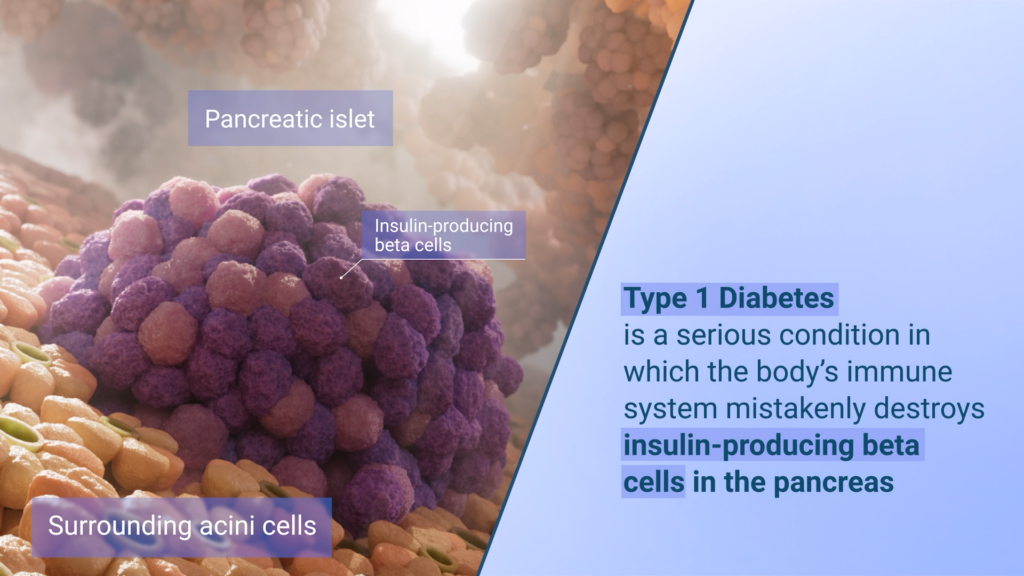
ENT1DEP has released a new animation titled “How viruses may cause type 1 diabetes. A hope for prevention.” The animation explains the growing evidence linking common viruses, called enteroviruses, to the onset of type 1 diabetes (T1D), and looks at the prevention research this evidence has opened up.
Nearly 10 million people
live with type 1 diabetes worldwide today. This number is expected to double within 20 years.
Type 1 diabetes is a serious autoimmune disease. It is not caused by lifestyle, and the daily demands of insulin therapy place a heavy burden on patients and their families. Genetic factors alone cannot explain the rising number of cases, which has led researchers to look closely at environmental triggers.
The animation shows how enteroviruses may infect insulin-producing beta cells in the pancreas, and how a persistent low-grade infection can set off the immune attack that leads to type 1 diabetes. It also presents two areas of active research: a clinical trial of antiviral treatment that significantly preserved insulin production in newly diagnosed children, and an enterovirus vaccine developed in Finland that has now been tested in humans for the first time, with good safety and immune response.
Watch the full animation and read more on our T1D Prevention page →T1D Prevention – ENT1DEP
The animation was developed by Professor Knut Dahl-Jørgensen (Oslo University Hospital), Professor Heikki Hyöty (Tampere University), Professor Roberto Mallone (Université Paris Cité / INSERM), and Professor Sarah Richardson (University of Exeter), and produced by XVIVO Scientific Animation.
Text contribution by Professor Knut Dahl-Jørgensen, Oslo University Hospital, Norway.